

fresh bytes
Subscribe Now

Worms regrow their decapitated heads, along with the memories inside

Screen_Shot_2013-07-10_at_8.58.32_PM.png

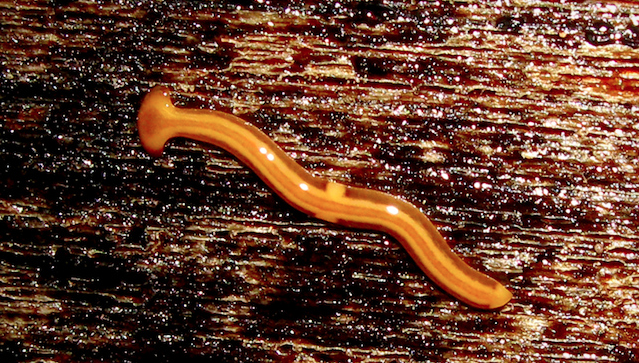
Some memories just won’t die — and some can even be transferred to a whole new brain. Researchers at Tufts University have determined that a small, yellow worm known as a planarian, which has long been studied for its regenerative properties, is able to grow back a lot more than just its body parts: after the worm’s small, snake-like head and neck are removed, its body will even regrow a brain that’s capable of quickly relearning its lost skills.
via The Verge

Continue reading

Image: CHUN XING WONG (FLICKR) 

Leave a Reply

featured blogs
May 6, 2026
Hollywood has struck gold with The Lord of the Rings and Dune'”so which sci-fi and fantasy books should filmmakers tackle next?...

featured paper

Quickly and accurately identify inter-domain leakage issues in IC designs

Sponsored by Siemens Digital Industries Software

Power domain leakage is a major IC reliability issue, often missed by traditional tools. This white paper describes challenges of identifying leakage, types of false results, and presents Siemens EDA’s Insight Analyzer. The tool proactively finds true leakage paths, filters out false positives, and helps circuit designers quickly fix risks—enabling more robust, reliable chip designs. With detailed, context-aware analysis, designers save time and improve silicon quality.

Click to read more

featured chalk talk

Designing Scalable IoT Mesh Networks with Digi XBee® for Wi-SUN
Sponsored by Mouser Electronics and Digi and Silicon Labs
In this episode of Chalk Talk, Quinn Jones from Digi, Chad Steider from Silicon Labs and Amelia Dalton explore how Wi-SUN Micro-Mesh can reduce cost and simplify deployment for your next IoT mesh network. They also investigate the benefits that Digi XBee solutions bring to these types of networks and how you can jump start your next IoT mesh network design with Silicon Labs and Digi.
May 4, 2026
6,607 views






