fresh bytes
Subscribe Now

Why Formula 1 cars are so ugly this year

01-2014-f1-noses.jpg

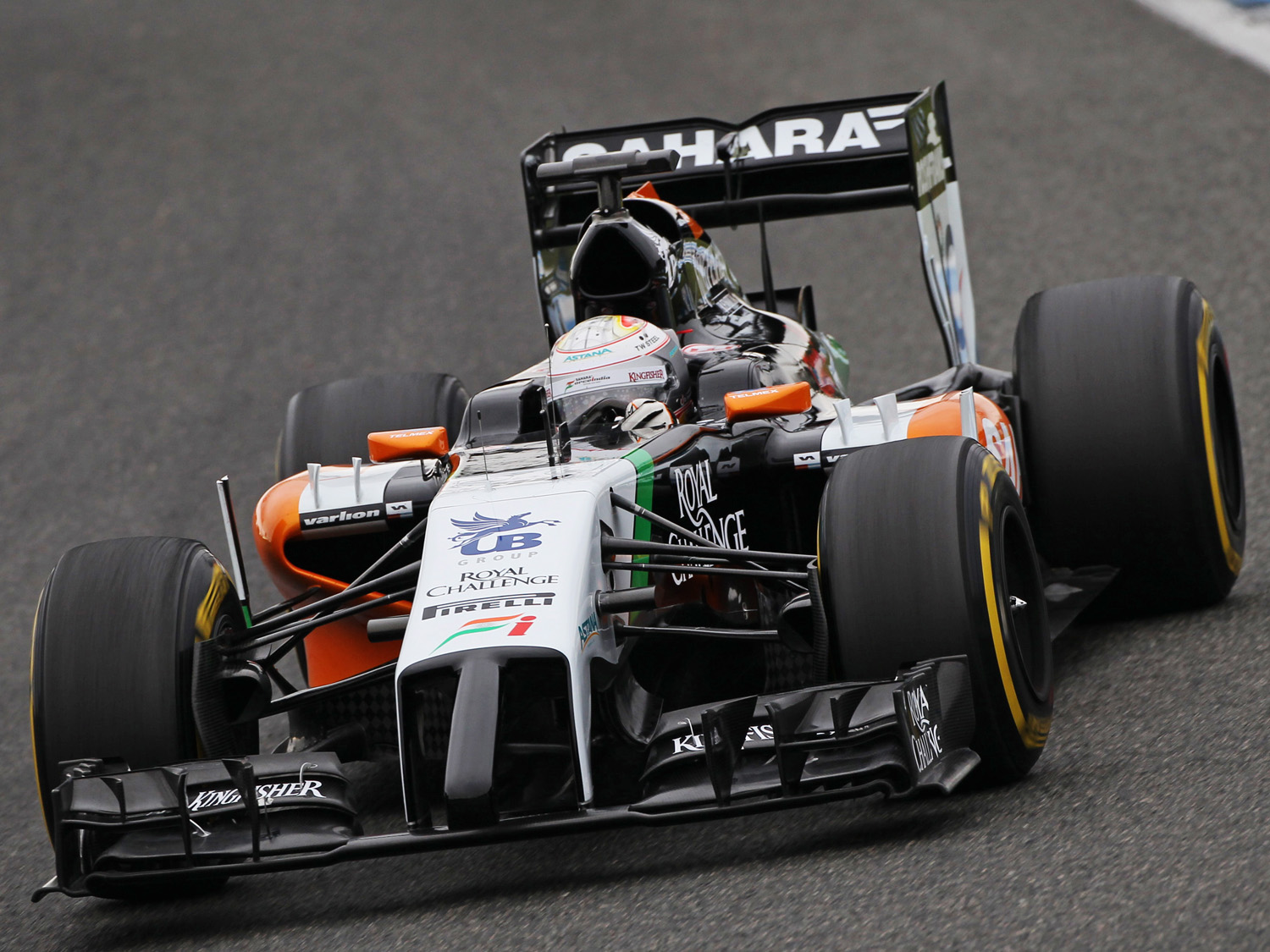
The 2014 Formula One season is gonna be one of the most exciting in years. A slew of new rules and technology promise to turn the sport, and the standings, upside down. They might even be enough to knock Red Bull from the top of the podium. Well, maybe not. One thing’s sure, though: The new rules have made the cars, well, let’s say aesthetically challenged, and packed them with tech you might one day see in your own car.

The biggest change is visual — aerodynamic tweaks to the front of the car to improve safety and minimize the chance a driver is injured in a crash. The nose is much lower than before, to keep cars from being launched into the air in a collision. Out back, the exhaust is directed upward, diverting hot air away from aerodynamic components and denying engineers of a trick they’ve used in the past to increase downforce. This could lead to decreased rear grip, and therefore lower speeds through corners. Teams also get less fuel to burn; last season’s 160 kilogram limit reduced to 100 kilograms per race. Fuel economy will be more important, which is where the new engines come into play.
via Wired


Continue reading 

Leave a Reply

featured blogs
Apr 24, 2026
A thought experiment in curiosity, confusion, and cosmic consequences....

featured paper

Want early design analysis without simulation?

Sponsored by Siemens Digital Industries Software

Traditional verification methods are failing today's complex IC designs, which require a proactive, early-stage analysis approach. A shift-left methodology addresses IP block integration challenges and the limitations of traditional simulation and ERC tools. Insight Analyzer detects hard-to-find leakage issues across power domains, enabling early analysis without full simulation. Identify inefficiencies earlier to reduce rework, improve reliability, and enhance power performance.

Click to read more!

featured chalk talk

What’s Driving Zephyr’s Momentum
In this episode of Chalk Talk, Brendon Slade from NXP and Amelia Dalton explore what Zephyr makes unique, how it compares to other RTOS options, and how its design philosophy enables developers to scale from simple prototypes to production-ready systems with confidence.
May 4, 2026
642 views