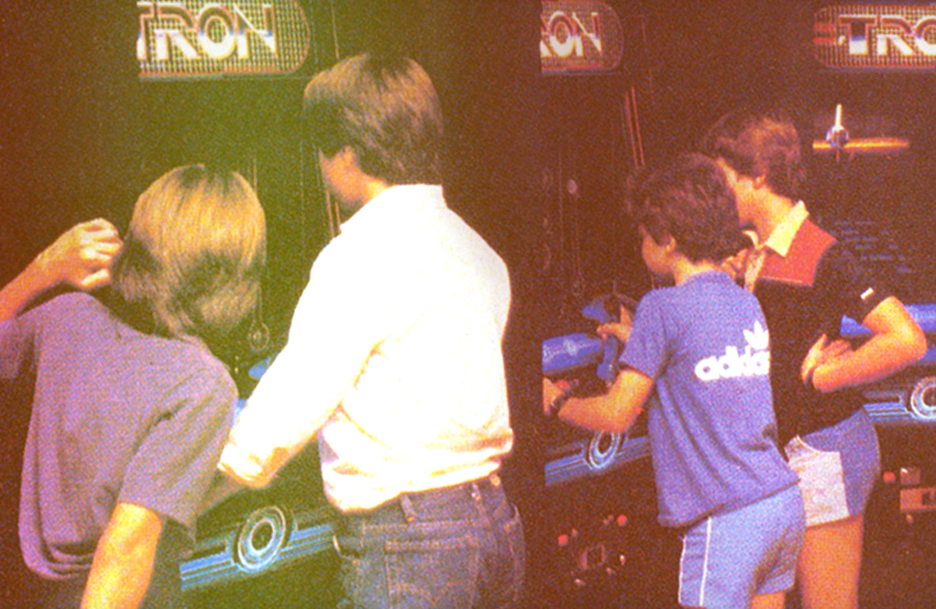
If you’ve never been inside a “real” arcade, it could be hard to distinguish one from say, oh, a Dave & Buster’s. Authenticity is a hard nut to crack, but there are a few hallmarks of the video game arcade of days gone by: first, they have video games. Lots and lots of video games, and (usually) pinball machines. They’re dark (so that you can see the screens better), and they don’t sell food or booze. You can make an exception for a lonely vending machine, sure, but full meals? No thanks. There’s no sign outside that says you “must be 21 to enter.” These are rarely family-friendly institutions, either. Your mom wouldn’t want to be there, and nobody would want her there, anyway. This is a place for kids to be with other kids, teens to be with other teens, and early-stage adults to serve as the ambassador badasses in residence for the younger generation. It’s noisy, with all the kids yelling and the video games on permanent demo mode, beckoning you to waste just one more quarter. In earlier days (though well into the ‘90s), it’s sometimes smoky inside, and the cabinets bear the scars of many a forgotten cig left hanging off the edge while its owner tries one last time for a high score, inevitably ending in his or her death. The defining feature of a “real” arcade, however, is that there aren’t really any left.
via The Verge