fresh bytes
Subscribe Now

Some pilots refusing to fly F-22 over oxygen concerns

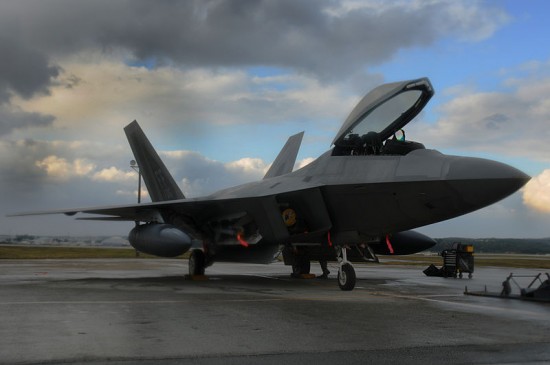
800px-F22_After_10_Hour_Flight-550x365.jpg

The history of the F-22 Raptor, perhaps the most advanced fighter jet in the U.S. fleet, has been a troubled one, with only a fraction of the aircraft being built and the program dogged by concerns over the aircraft’s oxygen system. Though a USAF report has put some changes in place, it seems that a few pilots are refusing to fly the Raptor.

At issue are reports of Raptor pilots coming back with hypoxia-like symptoms, which usually occur when the brain is deprived of oxygen. Hypoxia is dangerous to anyone, but especially dangerous to pilots as it can cause wooziness, poor or delayed decision making, and in very extreme cases unconsciousness and death. The Raptor oxygen issues came to a head last year when the entire fleet was temporarily grounded, but oxygen issues may have played a role in a deadly 2010 Raptor crash in Alaska.
via Geekosystem


Continue reading 

Leave a Reply

featured blogs
May 6, 2026
Hollywood has struck gold with The Lord of the Rings and Dune'”so which sci-fi and fantasy books should filmmakers tackle next?...

featured paper

Want early design analysis without simulation?

Sponsored by Siemens Digital Industries Software

Traditional verification methods are failing today's complex IC designs, which require a proactive, early-stage analysis approach. A shift-left methodology addresses IP block integration challenges and the limitations of traditional simulation and ERC tools. Insight Analyzer detects hard-to-find leakage issues across power domains, enabling early analysis without full simulation. Identify inefficiencies earlier to reduce rework, improve reliability, and enhance power performance.

Click to read more!

featured chalk talk

CBOT MULTIGIG Transceiver Platform
In this episode of Chalk Talk, Anders Thelin from TE Connectivity and Amelia Dalton explore how the CBOT MULTIGIG transceiver platform helps address these challenges with a modular, high-performance approach to rugged, high-density connectivity. We also investigate how this platform supports next-generation system architectures, improves design efficiency, and enables robust performance in even the most demanding environments.
May 18, 2026
920 views