fresh bytes
Subscribe Now

Self-assembling material could produce artificial veins

self-assembling-protein-qmul.jpg

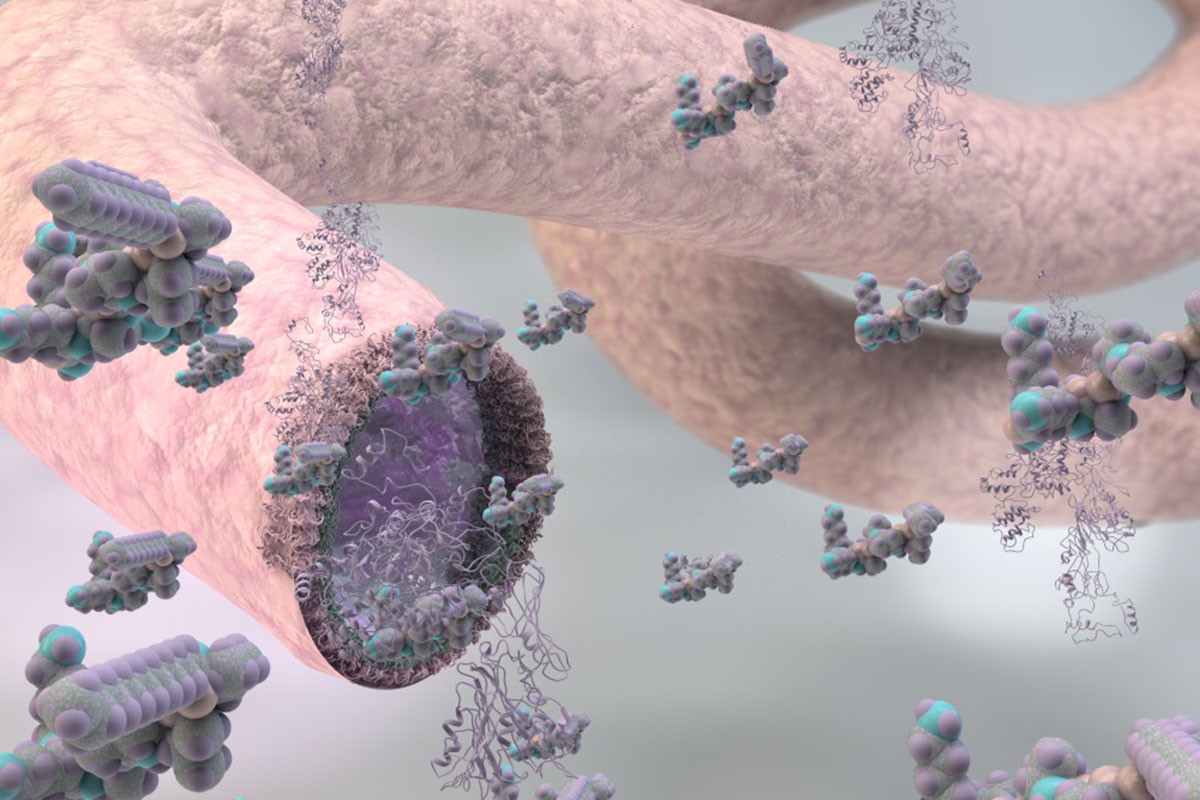
Most attempts at creating artificial veins don’t come close to replicating organic processes, but researchers at the Queen Mary University of London might change that. They’ve developed a technique that makes proteins and peptides self-assemble into tubular shapes that could stand in as arteries, veins and similar structures. There’s no 3D printing or moulds involved — you only need to guide the material as it builds itself. It can even grow and heal, so you’re not stuck if it needs improvements.
via Engadget


Continue reading 

Leave a Reply

featured blogs
Apr 2, 2026
Build, code, and explore with your own AI-powered Mars rover kit, inspired by NASA's Perseverance mission....

featured paper

Quickly and accurately identify inter-domain leakage issues in IC designs

Sponsored by Siemens Digital Industries Software

Power domain leakage is a major IC reliability issue, often missed by traditional tools. This white paper describes challenges of identifying leakage, types of false results, and presents Siemens EDA’s Insight Analyzer. The tool proactively finds true leakage paths, filters out false positives, and helps circuit designers quickly fix risks—enabling more robust, reliable chip designs. With detailed, context-aware analysis, designers save time and improve silicon quality.

Click to read more

featured chalk talk

Nexperia GaN Power Proliferating in All Things Motor Control/Drive
Sponsored by Mouser Electronics and Nexperia
In this episode of Chalk Talk, Art Gonsky from Nexperia and Amelia Dalton discuss the biggest challenges of electric motors and controllers and how GaN power solutions can help solve these issues. They  also investigate how silicon, silicon carbide and GaN power solutions compare and how Nexperia and NXP technologies can get your next motor control design up and running in no time!     
Mar 25, 2026
26,621 views