fresh bytes
Subscribe Now

Scientists just can’t seem to grow a delicious, hair-free kiwi

kiwi.jpg

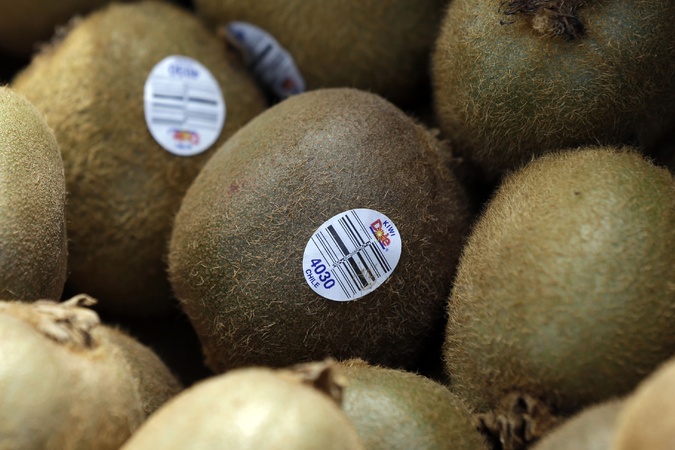
Genetic scientists are grappling with a tricky problem that they’ve been unable to conquer: Getting rid of the hairy skin of the kiwi fruit, without also getting rid of the taste. The Wall Street Journal looks at the efforts of researchers trying to genetically modify the kiwi to remove the brown, hairy outside. The research, led by kiwi-exporting company Zespri and supported by the New Zealand government, has thus far resulted in easily-bruised produce and a taste with “hints of kerosene.”

In the company’s plan, creating a hairless kiwi would reduce the kiwi’s preparation time to basically “grab and eat.” While the skin is technically edible, the little hairs are unpleasant, and so people typically cut away the skin and scoop out the insides. A hairless kiwi would make eating it simpler, which could cause more people to go for the kiwi at the supermarket.
via The Wire


Continue reading 

Leave a Reply

featured blogs
Apr 24, 2026
A thought experiment in curiosity, confusion, and cosmic consequences....

featured paper

Quickly and accurately identify inter-domain leakage issues in IC designs

Sponsored by Siemens Digital Industries Software

Power domain leakage is a major IC reliability issue, often missed by traditional tools. This white paper describes challenges of identifying leakage, types of false results, and presents Siemens EDA’s Insight Analyzer. The tool proactively finds true leakage paths, filters out false positives, and helps circuit designers quickly fix risks—enabling more robust, reliable chip designs. With detailed, context-aware analysis, designers save time and improve silicon quality.

Click to read more

featured chalk talk

Connecting the World Through Space
Sponsored by Mouser Electronics and Qorvo
In this episode of Chalk Talk, Ryan Jennings from Qorvo and Amelia Dalton explore the critical components and design challenges inherent in LEO satellite infrastructure and how Qorvo’s solutions are enabling the next generation of space-based connectivity. 
Mar 30, 2026
25,375 views