fresh bytes
Subscribe Now

Robotic 3D printer on wheels looks to fill the potholes of the future

addibot-1.jpg

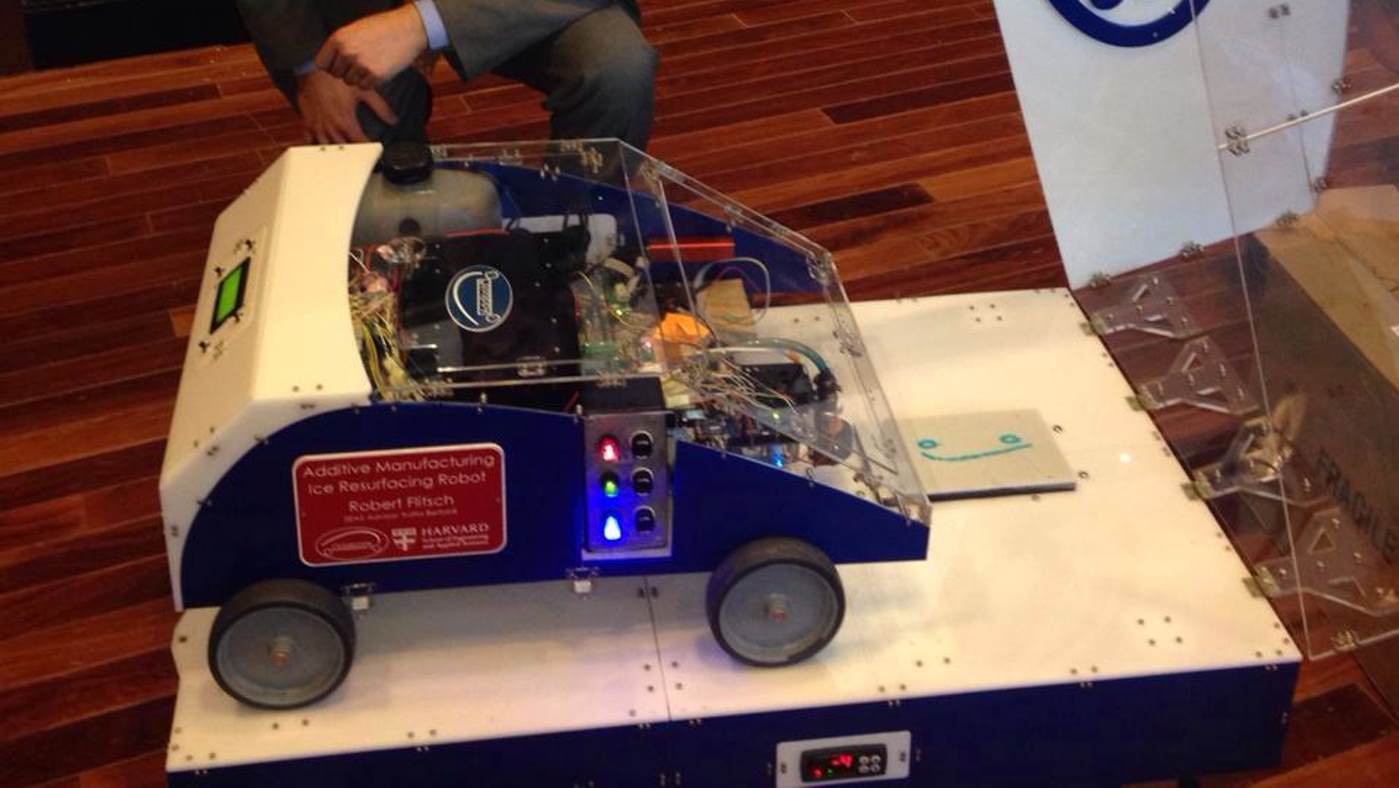
From filling potholes to repairing busted power lines, maintaining a city’s infrastructure involves some serious man hours. This labor-intensive task has recently become the target of some roboticists and engineers, who have set their sights on automating at least part of the process. Now startup Addibots is looking to get in on the action, wheeling out a roving 3D printing robot it imagines will scoot around town mending dodgy road surfaces.

Dreamt up by mechanical engineer and Harvard alumni Robert Flitsch, the Addibot is more than two years of research and development in the making. Where conventional 3D printing is generally limited to producing items of a specific size, restrained by the device’s build area, the Addibot team is aiming to break down these barriers to allow for infinite 3D printing possibilities.
via Gizmag


Continue reading

Leave a Reply

featured blogs
Apr 2, 2026
Build, code, and explore with your own AI-powered Mars rover kit, inspired by NASA's Perseverance mission....

featured paper

Quickly and accurately identify inter-domain leakage issues in IC designs

Sponsored by Siemens Digital Industries Software

Power domain leakage is a major IC reliability issue, often missed by traditional tools. This white paper describes challenges of identifying leakage, types of false results, and presents Siemens EDA’s Insight Analyzer. The tool proactively finds true leakage paths, filters out false positives, and helps circuit designers quickly fix risks—enabling more robust, reliable chip designs. With detailed, context-aware analysis, designers save time and improve silicon quality.

Click to read more

featured chalk talk

GaN for Humanoid Robots
Sponsored by Mouser Electronics and Infineon
In this episode of Chalk Talk, Eric Persson and Amelia Dalton explore why power is the key driver for efficient and reliable robot movements and how GaN technologies can help motor control solutions be more compact, integrated and efficient. They also investigate the role of field-oriented control in humanoid robotic applications and why the choice of a GaN power transistor can make all the difference in your next humanoid robot project!
Apr 20, 2026
0 views