

What the TSA has to do with Rilke and the boundaries of knowledge.
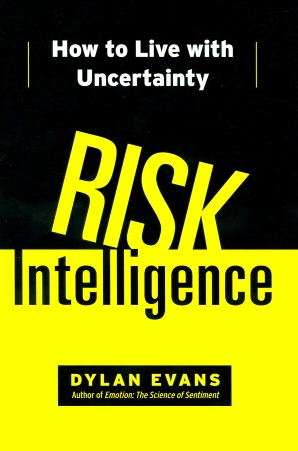
As a frequent traveler who resents the tedium, frustration, and time-sink of airport procedures — so much so that I’ve begun turning down speaking appearances solely on the basis of travel time involved — I found particularly fascinating Evans’s exploration of risk intelligence through the lens of airport security:
The security expert Bruce Schneier has dubbed many of the [airport security] measures “security theater” on the grounds that they serve merely to create an appearance that the authorities are doing something but do nothing to reduce the actual risk of a terrorist attack. Indeed, it is intelligence tip-offs, not airport checkpoints, that have foiled the vast majority of attempted attacks on aircraft.
Schneier may be right that many of the new airport security procedures are purely theatrical, but that begs the question as to why they are such good theater. In other words, it is not enough to point out the mismatch between feeling safe and being safe; if we want to understand this blind spot in our risk intelligence, we need to know why things such as taking one’s shoes off and walking through a body scanner are so effective in creating such (objectively unreliable) feelings of safety. It probably has something to do with their visibility; intelligence gathering may be more effective at reducing the risk of a terrorist attack, but it is by its very nature invisible to the general public. The illusion of control may be another factor; when we do something active such as taking our shoes off, we tend to feel more in control of the situation, but when we sit back and let others (such as spies gathering intelligence) do all the work, we feel passive and impotent. Maybe there’s a ritual aspect here, too, as in the joke “Something must be done. This is something. Therefore, we must do it.” The default assumption is that the “something” is good, and we feel better. Psychologists have long known that the illusion of control is a key factor in risk perception; it is probably one of the main reasons why people feel safer driving than when flying, even though driving is more dangerous.
via Brain Pickings







