fresh bytes
Subscribe Now

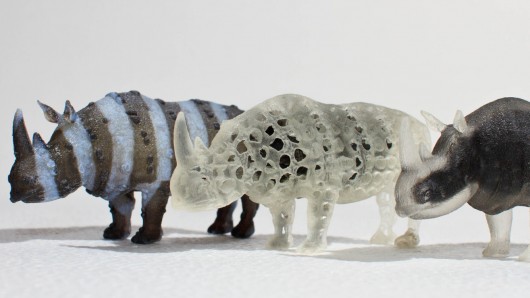
MIT’s new software increases the speed and flexibility of multi-material 3D printing

openfab.jpg

Until now, 3D printing an object with multiple materials meant giving the printer a very high-resolution image that specified the type of material to be used for each particular section. Throw in differences in texture, size, color and surface properties and you have a computational nightmare that can involve storing and processing petabytes of data to print even a small object.

To simplify the whole process, the CSAIL team created a software pipeline architecture that’s similar to the rendering pipeline used by the movie industry to create 3D images. Called “OpenFab,” the new streamlined process uses special programs called “fablets,” which are similar to shaders used in rendering, to specify changes in the material composition and geometry of each layer to be printed.
via Gizmag

Continue reading

Image: MIT Computational Fabrication Group

Leave a Reply

featured blogs
May 6, 2026
Hollywood has struck gold with The Lord of the Rings and Dune'”so which sci-fi and fantasy books should filmmakers tackle next?...

featured paper

Want early design analysis without simulation?

Sponsored by Siemens Digital Industries Software

Traditional verification methods are failing today's complex IC designs, which require a proactive, early-stage analysis approach. A shift-left methodology addresses IP block integration challenges and the limitations of traditional simulation and ERC tools. Insight Analyzer detects hard-to-find leakage issues across power domains, enabling early analysis without full simulation. Identify inefficiencies earlier to reduce rework, improve reliability, and enhance power performance.

Click to read more!

featured chalk talk

What’s Driving Zephyr’s Momentum
In this episode of Chalk Talk, Brendon Slade from NXP and Amelia Dalton explore what Zephyr makes unique, how it compares to other RTOS options, and how its design philosophy enables developers to scale from simple prototypes to production-ready systems with confidence.
May 4, 2026
5,173 views