fresh bytes
Subscribe Now

L’Oreal is 3D printing its own human skin to test cosmetics

organovo-3d-bioprinter-1024x682.jpg

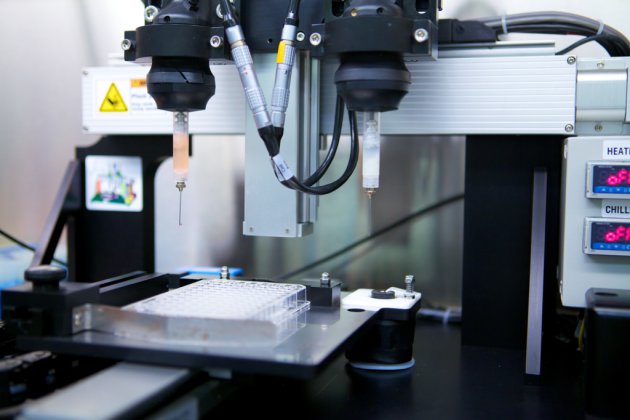
The L’Oreal Group hasn’t tested its products on animals worldwide since 2013, instead relying on a predictive model that utilizes a “Reconstructed Human Epidermis” — basically bits of skin grown in a lab — to ensure that its products are safe. Now the French cosmetics giant is teaming up with 3D bioprinting company Organovo to create the real thing…or at least as real as human skin that comes out of an ink jet nozzle can be.
via Engadget

Continue reading 

Image: Organovo

Leave a Reply

featured blogs
Apr 2, 2026
Build, code, and explore with your own AI-powered Mars rover kit, inspired by NASA's Perseverance mission....

featured paper

Quickly and accurately identify inter-domain leakage issues in IC designs

Sponsored by Siemens Digital Industries Software

Power domain leakage is a major IC reliability issue, often missed by traditional tools. This white paper describes challenges of identifying leakage, types of false results, and presents Siemens EDA’s Insight Analyzer. The tool proactively finds true leakage paths, filters out false positives, and helps circuit designers quickly fix risks—enabling more robust, reliable chip designs. With detailed, context-aware analysis, designers save time and improve silicon quality.

Click to read more

featured chalk talk

Nexperia GaN Power Proliferating in All Things Motor Control/Drive
Sponsored by Mouser Electronics and Nexperia
In this episode of Chalk Talk, Art Gonsky from Nexperia and Amelia Dalton discuss the biggest challenges of electric motors and controllers and how GaN power solutions can help solve these issues. They  also investigate how silicon, silicon carbide and GaN power solutions compare and how Nexperia and NXP technologies can get your next motor control design up and running in no time!     
Mar 25, 2026
26,492 views