

fresh bytes
Subscribe Now

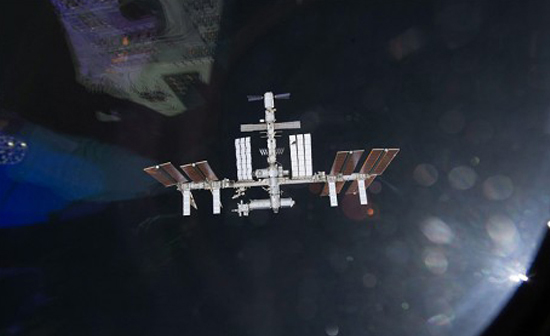
ISS astronauts duck and cover in close call with space trash

ISSdebris-thumb-550xauto-87149.jpg

ISS astronauts were ordered into the space version of an emergency lifeboat last Friday when Mission Control identified an old piece of a Russian communications satellite was projected to come close to the space station. Normal procedure calls for the ISS itself to take evasive maneuvers, but the threat was spotted too late in this case to plot a move.

The six ISS astronauts took cover in two docked Soyuz space capsules during the critical window in case escape was called for. Fortunately for the crew, the debris passed by an estimated six to nine miles from the space station without incident.

The debris was the result of the Russian Cosmos 2251 communications satellite crashing into U.S. satellite Iridium 33 in 2009, which created a massive cloud of space junk. Even though NASA and its international counterparts believed the space trash to be relatively small threat, because the exact size of the debris couldn’t be pinned down they took a conservative approach.
via DVICE


Continue reading 

Leave a Reply

featured blogs
May 6, 2026
Hollywood has struck gold with The Lord of the Rings and Dune'”so which sci-fi and fantasy books should filmmakers tackle next?...

featured paper

Quickly and accurately identify inter-domain leakage issues in IC designs

Sponsored by Siemens Digital Industries Software

Power domain leakage is a major IC reliability issue, often missed by traditional tools. This white paper describes challenges of identifying leakage, types of false results, and presents Siemens EDA’s Insight Analyzer. The tool proactively finds true leakage paths, filters out false positives, and helps circuit designers quickly fix risks—enabling more robust, reliable chip designs. With detailed, context-aware analysis, designers save time and improve silicon quality.

Click to read more

featured chalk talk

What’s Driving Zephyr’s Momentum
In this episode of Chalk Talk, Brendon Slade from NXP and Amelia Dalton explore what Zephyr makes unique, how it compares to other RTOS options, and how its design philosophy enables developers to scale from simple prototypes to production-ready systems with confidence.
May 4, 2026
18,045 views




