fresh bytes
Subscribe Now

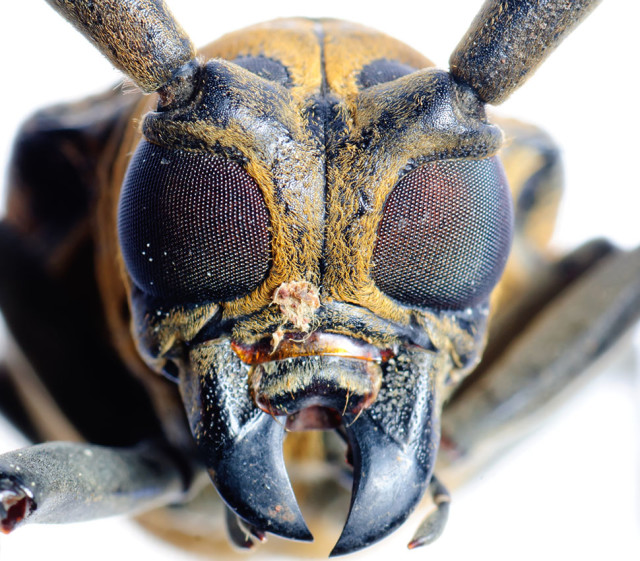
Insect nervous system copied to boost computing power


bug.jpg

Brains are the most powerful computers known. Now microchips built to mimic insects’ nervous systems have been shown to successfully tackle technical computing problems like object recognition and data mining, researchers say.

Attempts to recreate how the brain works are nothing new. Computing principles underlying how the organ operates have inspired computer programs known as neural networks, which have been used for decades to analyze data. The artificial neurons that make up these programs imitate the brain’s neurons, with each one capable of sending, receiving and processing information.

However, real biological neural networks rely on electrical impulses known as spikes. Simulating networks of spiking neurons with software is computationally intensive, setting limits on how long these simulations can run and how large they can get.

To overcome these restraints, several groups around the world have started developing so-called “neuromorphic hardware” that use models of spiking neurons on microchips. For instance, Qualcomm released its Zeroth chip in October 2013. The company advertises the chip as part of its next generation of mobile devices for image and speech processing.
via Gizmodo


Continue reading 

Leave a Reply

featured blogs
Apr 24, 2026
A thought experiment in curiosity, confusion, and cosmic consequences....

featured paper

Want early design analysis without simulation?

Sponsored by Siemens Digital Industries Software

Traditional verification methods are failing today's complex IC designs, which require a proactive, early-stage analysis approach. A shift-left methodology addresses IP block integration challenges and the limitations of traditional simulation and ERC tools. Insight Analyzer detects hard-to-find leakage issues across power domains, enabling early analysis without full simulation. Identify inefficiencies earlier to reduce rework, improve reliability, and enhance power performance.

Click to read more!

featured chalk talk

GaN for Humanoid Robots
Sponsored by Mouser Electronics and Infineon
In this episode of Chalk Talk, Eric Persson and Amelia Dalton explore why power is the key driver for efficient and reliable robot movements and how GaN technologies can help motor control solutions be more compact, integrated and efficient. They also investigate the role of field-oriented control in humanoid robotic applications and why the choice of a GaN power transistor can make all the difference in your next humanoid robot project!
Apr 20, 2026
14,645 views