fresh bytes
Subscribe Now

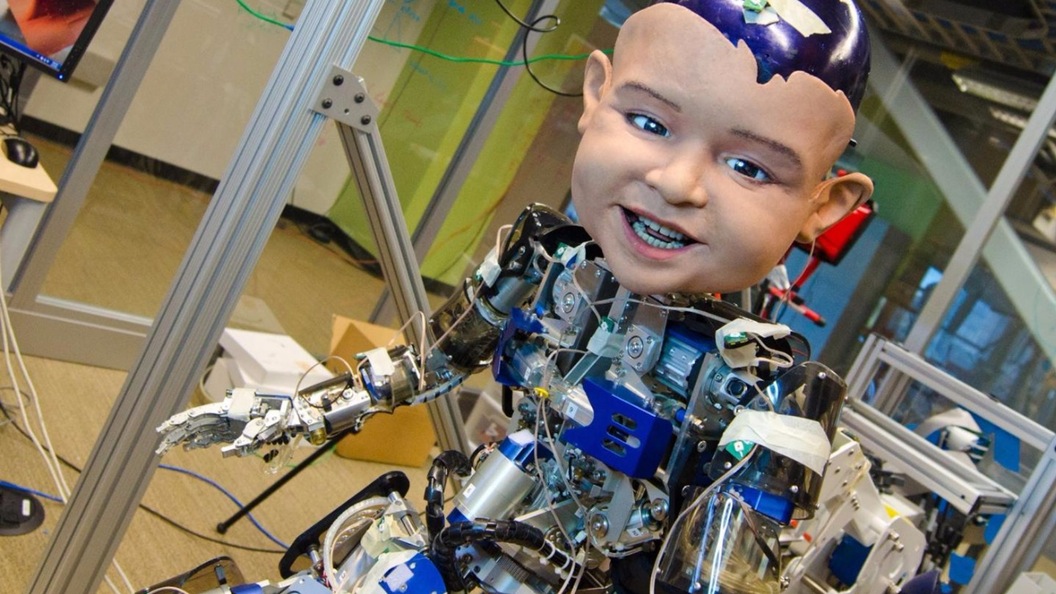
Baby-faced robot used to analyze why infants smile

robot-baby-smiles-1.jpg

Once the robot was programmed, 32 undergrad students interacted with it during a series of three-minute sessions. Using a robotics tool called optimal control theory, it was possible for the scientists to essentially reverse-engineer the behavior – they could establish what the babies’ goals were, based on the modeled behavior.
 
Essentially, it was found that babies (and the robot) carefully timed their smiles, in order to get smiles back from the mothers or students. In situations where the chances of getting a return smile were slim, the infants tended not to bother smiling in the first place. That said, it’s not at all clear if the infants were doing so knowingly.
via Gizmag

Image: UCSD

Leave a Reply

featured blogs
Apr 2, 2026
Build, code, and explore with your own AI-powered Mars rover kit, inspired by NASA's Perseverance mission....

featured paper

Quickly and accurately identify inter-domain leakage issues in IC designs

Sponsored by Siemens Digital Industries Software

Power domain leakage is a major IC reliability issue, often missed by traditional tools. This white paper describes challenges of identifying leakage, types of false results, and presents Siemens EDA’s Insight Analyzer. The tool proactively finds true leakage paths, filters out false positives, and helps circuit designers quickly fix risks—enabling more robust, reliable chip designs. With detailed, context-aware analysis, designers save time and improve silicon quality.

Click to read more

featured chalk talk

Connecting the World Through Space
Sponsored by Mouser Electronics and Qorvo
In this episode of Chalk Talk, Ryan Jennings from Qorvo and Amelia Dalton explore the critical components and design challenges inherent in LEO satellite infrastructure and how Qorvo’s solutions are enabling the next generation of space-based connectivity. 
Mar 30, 2026
22,908 views