

fresh bytes
Subscribe Now

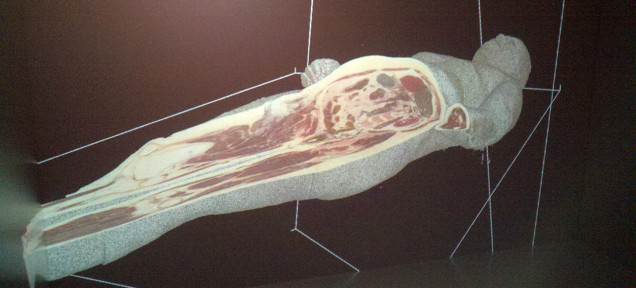
Train for surgery using immersive 3D holograms of corpses

surgerypractice.jpg

Computer-generated models are starting to let researchers and students peer into the body without needing a real human stretched out before them. Virtual dissection tables have been built at places like Stanford and the University of Calgary. Now, University of Michigancomputer scientists and biologists have taken the technology another step forward, using projectors, joysticks and 3-D equipment to build a floating holographic human that users can dissect, manipulate, and put back together as they wish.
via Gizmodo

Continue reading 

Image: University of Michigan

Leave a Reply

featured blogs
Feb 18, 2026
Because sometimes the best replacement part'¦ is the one you already have!...

featured chalk talk

Drone Applications & Technologies
Sponsored by Mouser Electronics and onsemi
In this episode of Chalk Talk, Bob Card from onsemi and Amelia Dalton explore the wide breadth of robotic and drone solutions offered by onsemi. They also investigate the role that current sense amplifiers, image sensors and inductive encoders play in these types of designs and how you can utilize onsemi solutions for your next innovative drone application.
Jan 26, 2026
28,633 views





