

fresh bytes
Subscribe Now

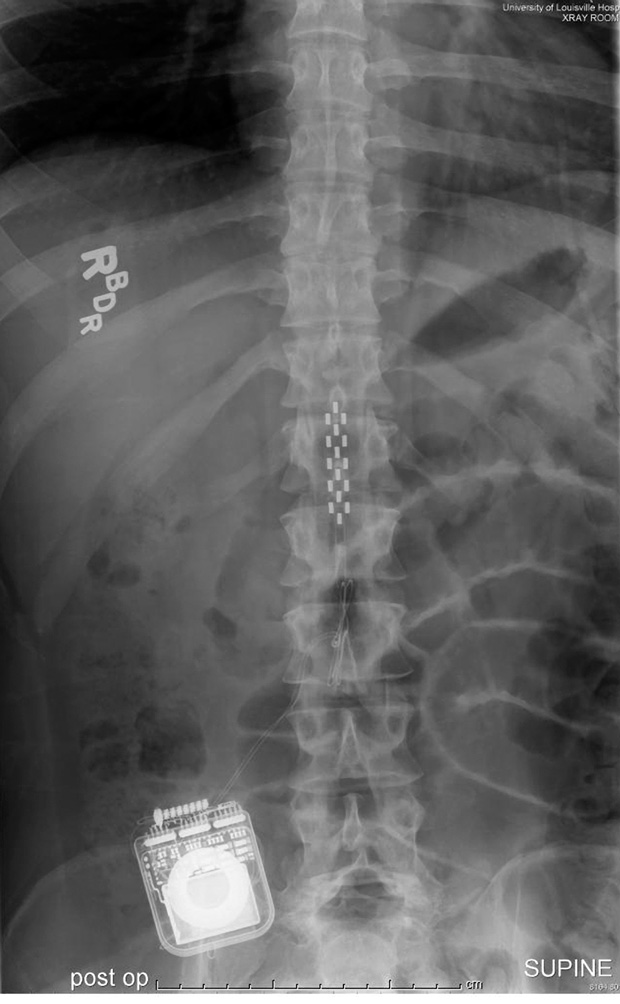
Spinal stimulation gets paralyzed patients moving

11OLSpinalStimulationXRay-1381869862172.jpg

A few months after being discharged from the hospital, in May 2011, Shillcox saw a news report announcing that researchers had for the first time enabled a paralyzed person to stand on his own. Neuroscientist Susan Harkema at the University of Louisville, in Kentucky, used electrical stimulation to “awaken” the man’s lower spinal cord, and on the first day of the experiments he stood up, able to support all of his weight with just some minor assistance to stay balanced. The stimulation also enabled the subject, 23-year-old Rob Summers, to voluntarily move his legs in other ways. Later, he regained some control of his bladder, bowel, and sexual functions, even when the electrodes were turned off.
via IEEE Spectrum


Continue reading 

Leave a Reply

featured blogs
Feb 24, 2026
How a perfectly good Bosch HVAC system was undermined by preventable mistakes, and a thermostat interface that defies logic....

featured video

Cadence Chiplets Solutions | Helping you realize your chiplet ambitions

Sponsored by Cadence Design Systems

In this webinar, David Glasco, VP of Compute Solutions at Cadence, discusses how Cadence enables customers to transition from traditional monolithic SoC architectures to modular, scalable chiplet-based solutions, essential for meeting the growing demands of physical AI applications and high-performance computing.

Read eBook: Helping You Realize Your Chiplet Ambitions

featured chalk talk

MR-VMU-RT1176 Vehicle Management Flight Controller
In this episode of Chalk Talk, Iain Galloway from NXP and Amelia Dalton explore the benefits of the MR-VMU-RT1176 Vehicle Management Flight Controller. They also investigate the multitude of elements included in this solution and how NXP robotics platforms can get your next mobile robot design up and running in no time.
Feb 16, 2026
3,298 views



