

fresh bytes
Subscribe Now

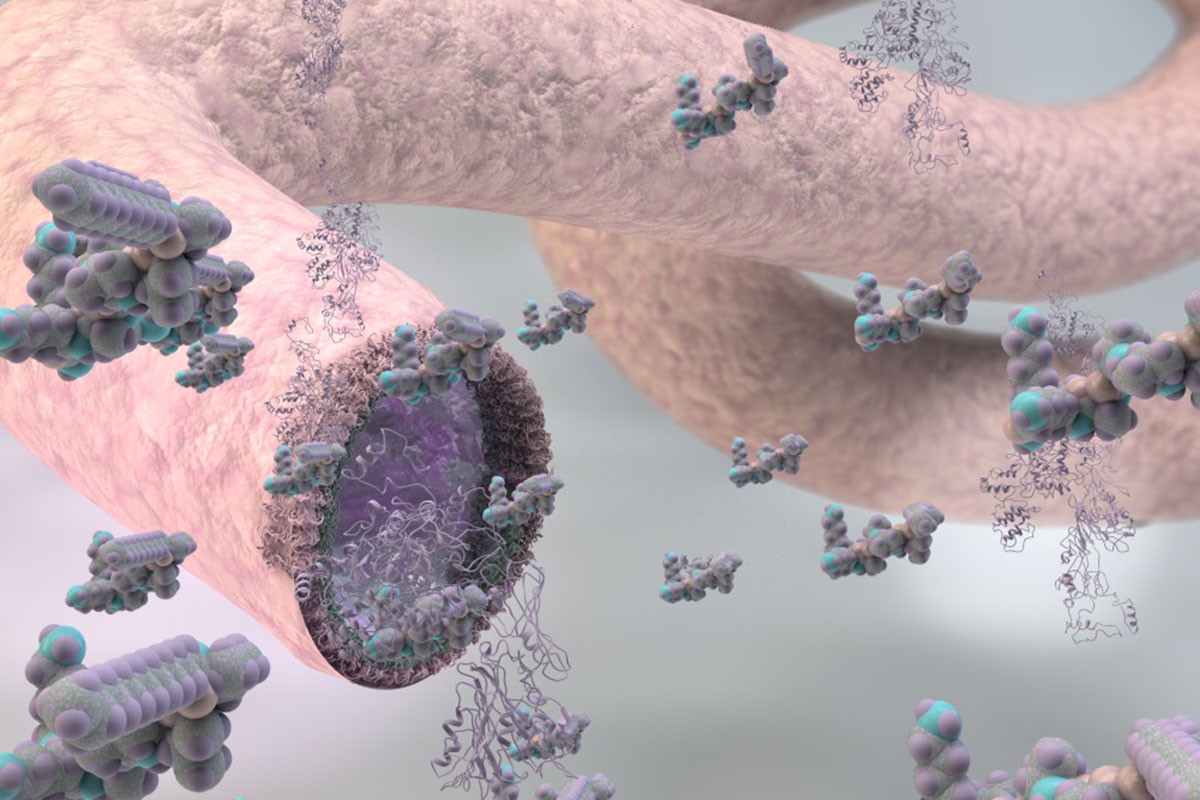
Self-assembling material could produce artificial veins

self-assembling-protein-qmul.jpg

Most attempts at creating artificial veins don’t come close to replicating organic processes, but researchers at the Queen Mary University of London might change that. They’ve developed a technique that makes proteins and peptides self-assemble into tubular shapes that could stand in as arteries, veins and similar structures. There’s no 3D printing or moulds involved — you only need to guide the material as it builds itself. It can even grow and heal, so you’re not stuck if it needs improvements.
via Engadget


Continue reading 

Leave a Reply

featured blogs
Feb 6, 2026
In which we meet a super-sized Arduino Uno that is making me drool with desire....

featured chalk talk

Democratizing Centimeter Level GNSS Precision for All Applications
Sponsored by Mouser Electronics and u-blox
In this episode of Chalk Talk, Arnaud Le Lannic from u-blox and Amelia Dalton explore the benefits of the ZED-X20P, all-band high precision GNSS module and the ZED-F20P triple-band high precision GNSS module from u-blox. They also investigate the roles that correction source and centimeter-level positioning services play in these types of designs, and how you can improve your next design with high precision position solutions from u-blox.
Jan 28, 2026
14,088 views



