

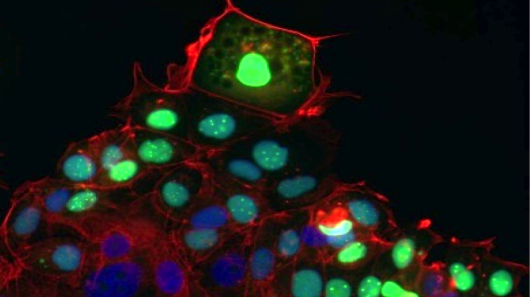
When you cut on your finger or scrape your knee, cells rush to the wound and repair or replace the damaged tissue. But how exactly this works – in particular how certain cells become “leaders” in the process – has long been a mystery. Now researchers at the University of Arizona (UA) have identified the mechanisms that cause and regulate this collective cell migration. Armed with this knowledge, biomedical engineers will be able to design new tissue regeneration treatments for diabetes and heart disease as well as for slowing or stopping the spread of cancer.
Leader cells earn their name for being the genetic messengers that move at the front of a cell group migrating to a wound. The UA researchers found that leader cells get their orders from a protein molecule called DII4, which acts as coordinator for the whole process. Nearby cells get sent to heal the wound, with identical cells specializing into leader and follower cells. The leader cells send signals to the follower cells, which have none of the messenger RNA from the DII4 protein, and this continues until new tissue covers the wound.
via Gizmag
Image: Pak Wong






