

This week, the ENCODE project released the results of its latest attempt to catalog all the activities associated with the human genome. Although we’ve had the sequence of bases that comprise the genome for over a decade, there were still many questions about what a lot of those bases do when inside a cell. ENCODE is a large consortium of labs dedicated to helping sort that out by identifying everything they can about the genome: what proteins stick to it and where, which pieces interact, what bases pick up chemical modifications, and so on. What the studies can’t generally do, however, is figure out the biological consequences of these activities, which will require additional work.
Yet the third sentence of the lead ENCODE paper contains an eye-catching figure that ended up being reported widely: “These data enabled us to assign biochemical functions for 80 percent of the genome.” Unfortunately, the significance of that statement hinged on a much less widely reported item: the definition of “biochemical function” used by the authors.
This was more than a matter of semantics. Many press reports that resulted painted an entirely fictitious history of biology’s past, along with a misleading picture of its present. As a result, the public that relied on those press reports now has a completely mistaken view of our current state of knowledge (this happens to be the exact opposite of what journalism is intended to accomplish). But you can’t entirely blame the press in this case. They were egged on by the journals and university press offices that promoted the work—and, in some cases, the scientists themselves.
via ars technica
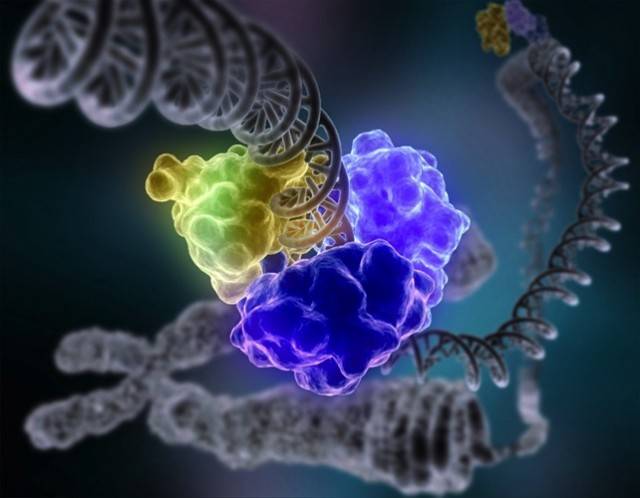
Image: DNA needs to interact with proteins and RNA to direct the activity of a cell.
ENCODE is attempting to catalog these interactions. (Penn State)






