

fresh bytes
Subscribe Now

Hack can turn your robotic vacuum into creepy rolling surveillance machine

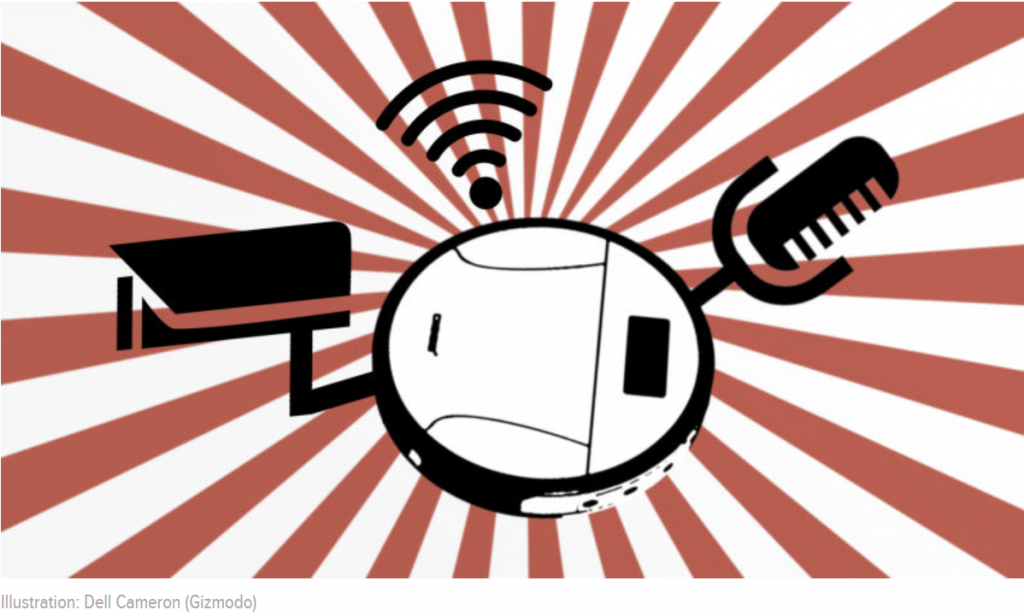
Buying a robotic vacuum cleaner probably sounds like a great idea. Who the hell likes to vacuum? But if it was marketed as an internet-connected device with a microphone and camera that wanders your house at all hours of the day, you should probably skip out.

Researchers at Positive Technologies discovered a pair of vulnerabilities discovered in one robotic vacuum, which they believe may affect others, could allow a malicious hacker to hijack the device and use it to eavesdrop on its owners—or record them using its onboard camera, which comes conveniently equipped with night vision.

Thankfully, the exploits require the attacker to have either already infiltrated the robot’s network or gain physical access to the vacuum, according to the researchers. In other words, someone would have to be targeting your vacuum specifically. Read more at Gizmodo.


Leave a Reply

featured blogs
May 6, 2026
Hollywood has struck gold with The Lord of the Rings and Dune'”so which sci-fi and fantasy books should filmmakers tackle next?...

featured paper

Quickly and accurately identify inter-domain leakage issues in IC designs

Sponsored by Siemens Digital Industries Software

Power domain leakage is a major IC reliability issue, often missed by traditional tools. This white paper describes challenges of identifying leakage, types of false results, and presents Siemens EDA’s Insight Analyzer. The tool proactively finds true leakage paths, filters out false positives, and helps circuit designers quickly fix risks—enabling more robust, reliable chip designs. With detailed, context-aware analysis, designers save time and improve silicon quality.

Click to read more

featured chalk talk

mPOWER® Ultra Micro Power Connectors
Sponsored by Mouser Electronics and Samtec
In this episode of Chalk Talk, Matt Burns from Samtec and Amelia Dalton explore the key features and benefits of Samtec’s mPOWER Ultra Micro Power Connectors, how they simplify power architecture, and where they fit in today’s evolving design landscape—from data centers and industrial systems to advanced computing and beyond.
May 20, 2026
8 views




