

fresh bytes
Subscribe Now

Cyborg bacteria covered in solar panels can beat plants at photosynthesis

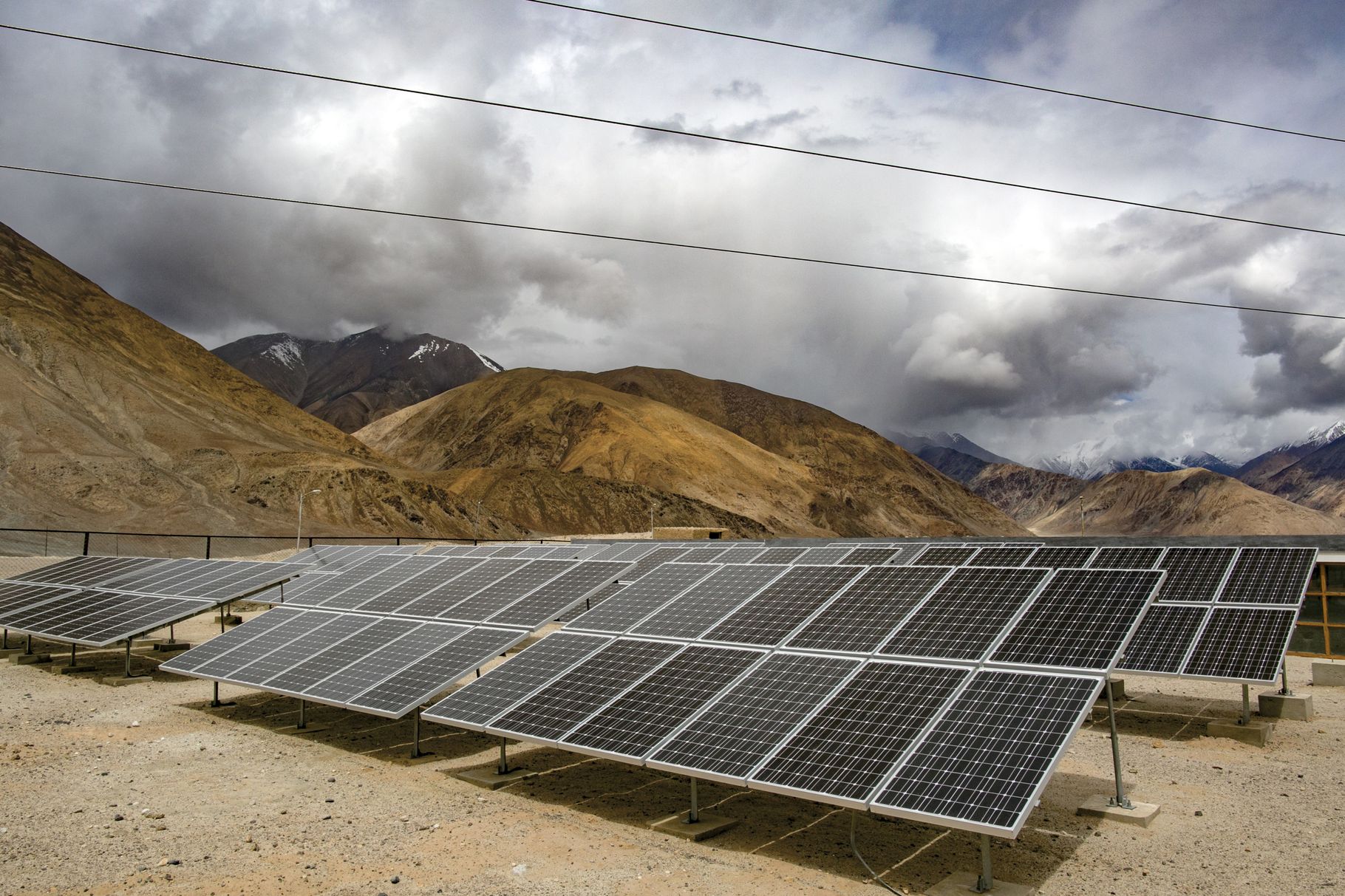
Cyborg bacteria covered in tiny solar panels can beat plants at photosynthesis, which means they could be key in creating renewable solar fuels.

Photosynthesis, or the way plants turn carbon dioxide into oxygen, is crucial for life on Earth — but it’s not a very efficient process. Scientists at a UC Berkeley lab taught bacteria how to cover their own bodies with nanocrystals, which function as tiny solar panels that capture more energy than plants can. The bacteria ended up having 80 percent efficiency, compared to about 2 percent for plants. This form of artificial photosynthesis is a big step toward developing more efficient fuels that generate renewable energy using sunlight. (The results were presented at the 54th National Meeting & Exposition of the American Chemical Society.)

Continue reading at The Verge

Image: Allison Joyce / Getty Images

Leave a Reply

featured blogs
Dec 8, 2025
If you're yearning for a project that reconnects you with the roots of our digital age, grab a soldering iron and prepare to party like it's 1979!...

featured news

Need Faster VNX+ Development? Elma Just Built the First Lab Platform for It

Sponsored by Elma Electronic

Struggling to evaluate VNX+ modules or build early prototypes? Elma Electronic’s new 3-slot FlexVNX+ dev chassis streamlines bring-up, testing, and system integration for VNX+ payload cards—SOSA-aligned, lab-ready, and built for fast time-to-market.

Click here to read more

featured chalk talk

Data Center Solutions
Sponsored by Mouser Electronics and Microchip
In this episode of Chalk Talk, Josue Navarro from Microchip Technologies and Amelia Dalton investigate the biggest challenges of AI servers and the benefits that power modules can bring to these types of designs. They also explore the roles that energy efficiency, power density, thermal management, and security play in the AI server applications and how you can take advantage of Microchip solutions for your next AI server design.
Dec 8, 2025
7,791 views




