

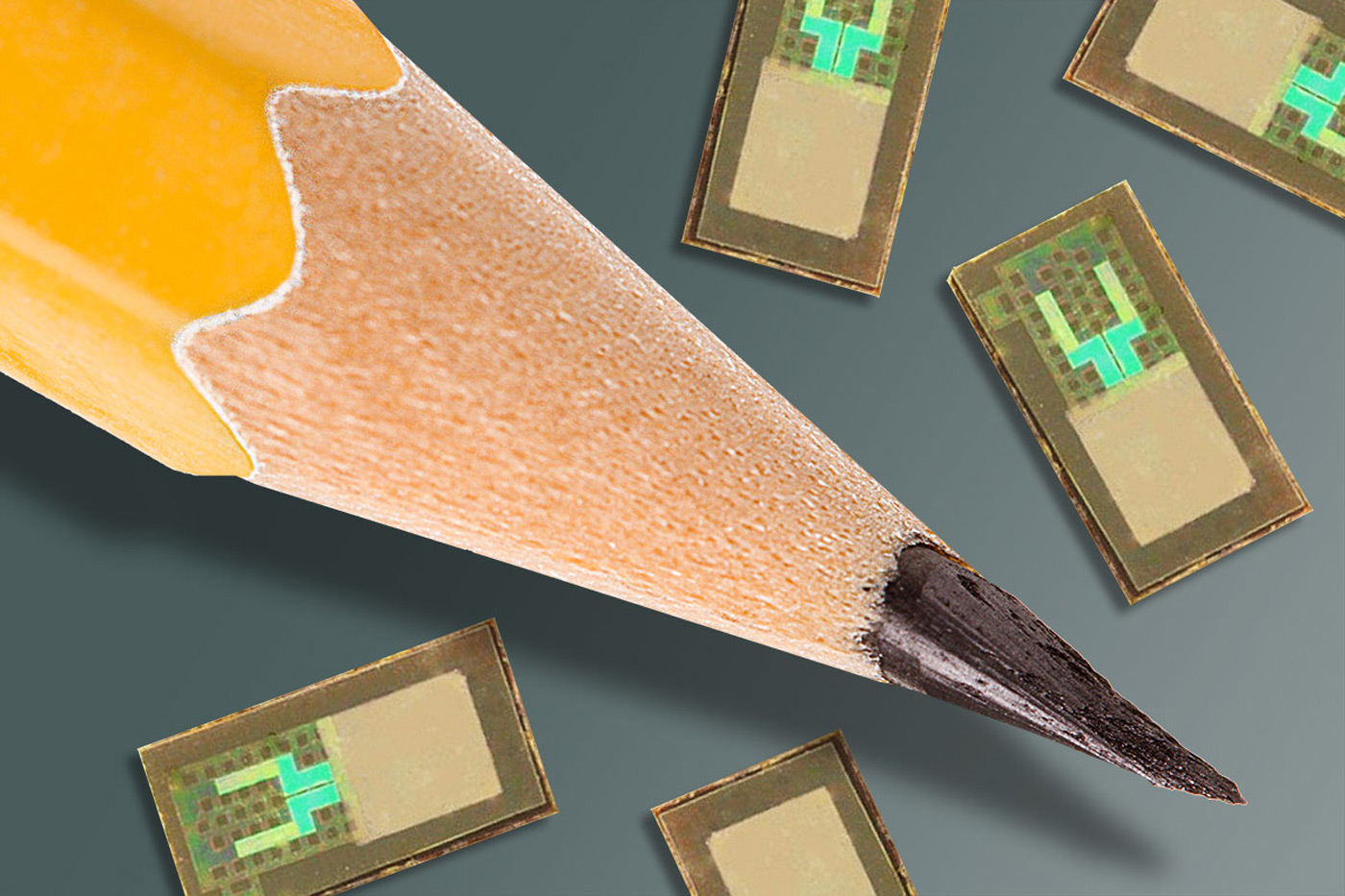
By far the biggest danger of brain implants is rejection — it can be just a matter of time before your immune system freaks out and makes a bad situation that much worse. That’s where Washington University might come to the rescue. Its researchers have crafted tiny (smaller than a pencil tip) wireless brain sensors that dissolve. Their mix of silicone and polylactic-co-glycolic acid (PLGA) is sophisticated enough to transmit vital data like cranial pressure and temperature, but melts after a few days of exposure to typical organic matter.
Human tests are still forthcoming, but the implications of the technology are tremendous. Doctors could track your brain in the immediate aftermath of a head injury and decide whether or not you need follow-up surgery. And, as you might have guessed, this technology could also be useful for monitoring all kinds of body parts and conditions without long-term health risks or conspicuous wires.
via Engadget
Image: Washington University School of Medicine






