

fresh bytes
Subscribe Now

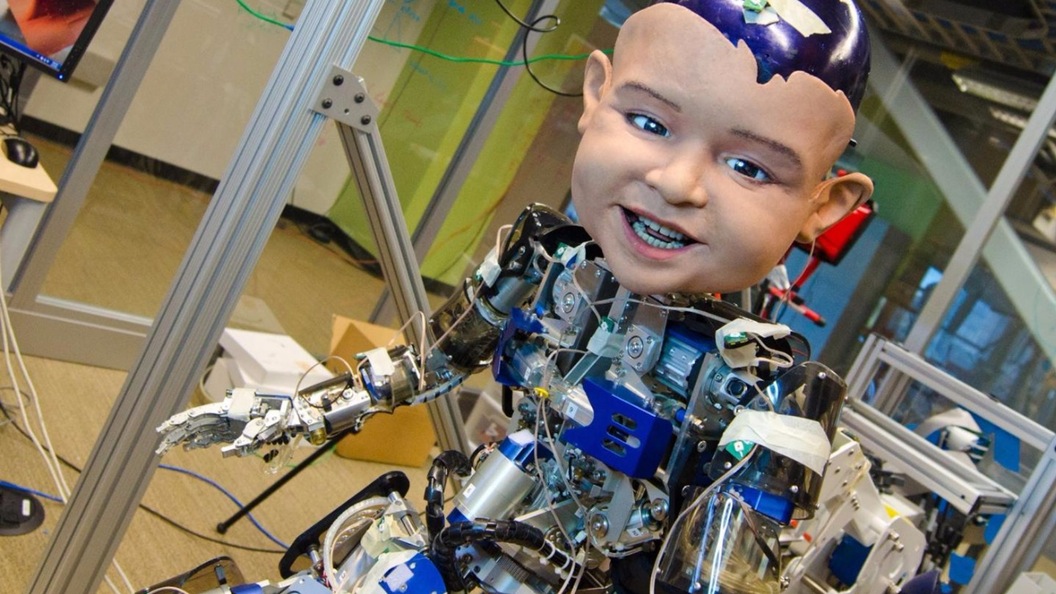
Baby-faced robot used to analyze why infants smile

robot-baby-smiles-1.jpg

Once the robot was programmed, 32 undergrad students interacted with it during a series of three-minute sessions. Using a robotics tool called optimal control theory, it was possible for the scientists to essentially reverse-engineer the behavior – they could establish what the babies’ goals were, based on the modeled behavior.
 
Essentially, it was found that babies (and the robot) carefully timed their smiles, in order to get smiles back from the mothers or students. In situations where the chances of getting a return smile were slim, the infants tended not to bother smiling in the first place. That said, it’s not at all clear if the infants were doing so knowingly.
via Gizmag

Image: UCSD

Leave a Reply

featured blogs
Feb 6, 2026
In which we meet a super-sized Arduino Uno that is making me drool with desire....

featured chalk talk

Unlocking Cost-Effective and Low-Power Edge AI Solutions
In this episode of Chalk Talk, Miguel Castro from STMicroelectronics and Amelia Dalton explore how you can jump-start the evaluation, prototyping, and design your next edge AI application. They also investigate the details of the cost-effective and lower power edge AI solutions from STMicroelectronics and how the tools, the ecosystem, and STMicroelectronics MCUs are enabling sophisticated AI inference right on the device.
Jan 15, 2026
33,611 views




