

fresh bytes
Subscribe Now

The code that took America to the moon was just published to GitHub, and it’s like a 1960s time capsule

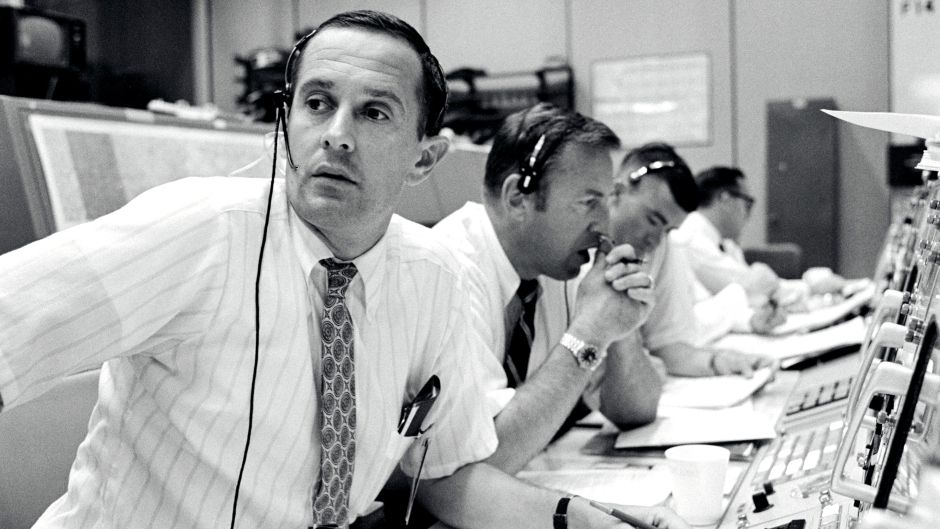
nasa2.jpg

When programmers at the MIT Instrumentation Laboratory set out to develop the flight software for the Apollo 11 space program in the mid-1960s, the necessary technology did not exist. They had to invent it. 

They came up with a new way to store computer programs, called “rope memory,” and created a special version of the assembly programming language. Assembly itself is obscure to many of today’s programmers—it’s very difficult to read, intended to be easily understood by computers, not humans. For the Apollo Guidance Computer (AGC), MIT programmers wrote thousands of lines of that esoteric code.
via Quartz


Continue reading 

Leave a Reply

featured blogs
Jan 29, 2026
Most of the materials you read and see about gyroscopic precession explain WHAT happens, not WHY it happens....

featured chalk talk

Speed Matters: Methods and Methodologies to Get the Most Performance
In this episode of Chalk Talk, Ludovic Jacomme from Siemens and Amelia Dalton investigate the benefits that Siemens Veloce proFPGA CS can bring to your next FPGA-based prototyping project and how you can take advantage of this solution today.
Jan 19, 2026
21,163 views



