fresh bytes archive
Subscribe Now

Why do we forget what we’re doing the minute we enter a room?

primary_156.jpg

Left your keys on the kitchen counter again? No problem. Just go and get them. Walk through the house, into the kitchen, and—what was it you needed to do again? Why are you in here? In less than 30 seconds, you’ve managed to forget the entire purpose of your errand. But don’t worry. It’s not just you, and you’re not losing your … Read More → "Why do we forget what we’re doing the minute we enter a room?"


These old black-and-white photos were colorized by artificial intelligence

Screen_Shot_2016-04-27_at_10.09.56_PM.png

Researchers at Waseda University in Tokyo have created a way to realistically colorize black-and-white photos without any human intervention for the first time ever. The team’s approach is based on convolutional neural networks — a type of machine learning originally inspired by the visual cortex of a cat.
via < … Read More → "These old black-and-white photos were colorized by artificial intelligence"

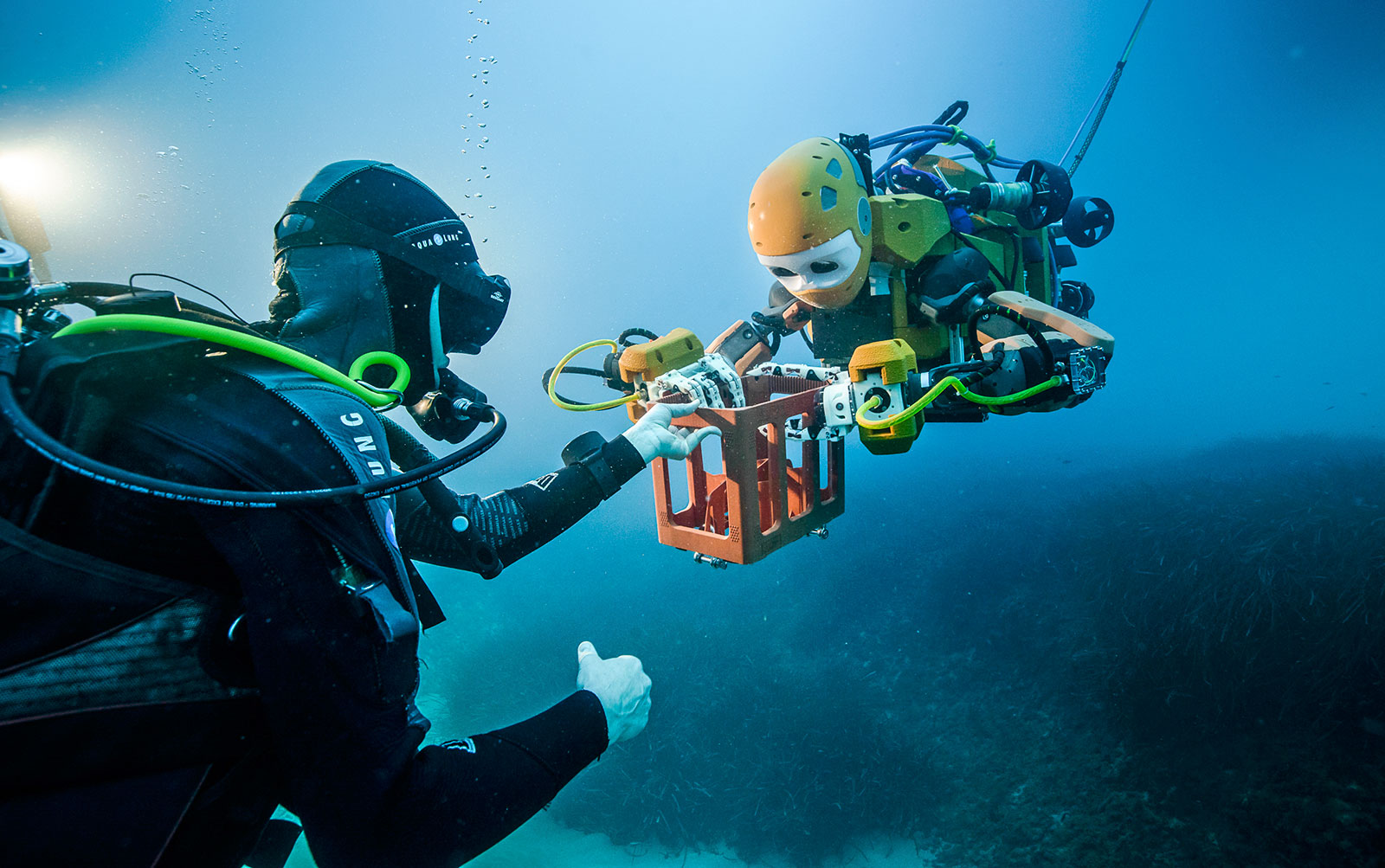
Stanford’s humanoid robot diver explores its first shipwreck

scubabot_stanford-ed.jpg

A group of underwater archaeologists exploring the sunken remains of King Louis XIV’s flagship La Lune added a very special member to their dive team recently. OceanOne, a Stanford-developed humanoid diving robot with “human vision, haptic force feedback and an artificial brain,” made its maiden voyage alongside human divers to recover 17th-century treasures from bottom of the Mediterranean.

Read More → "Stanford’s humanoid robot diver explores its first shipwreck"

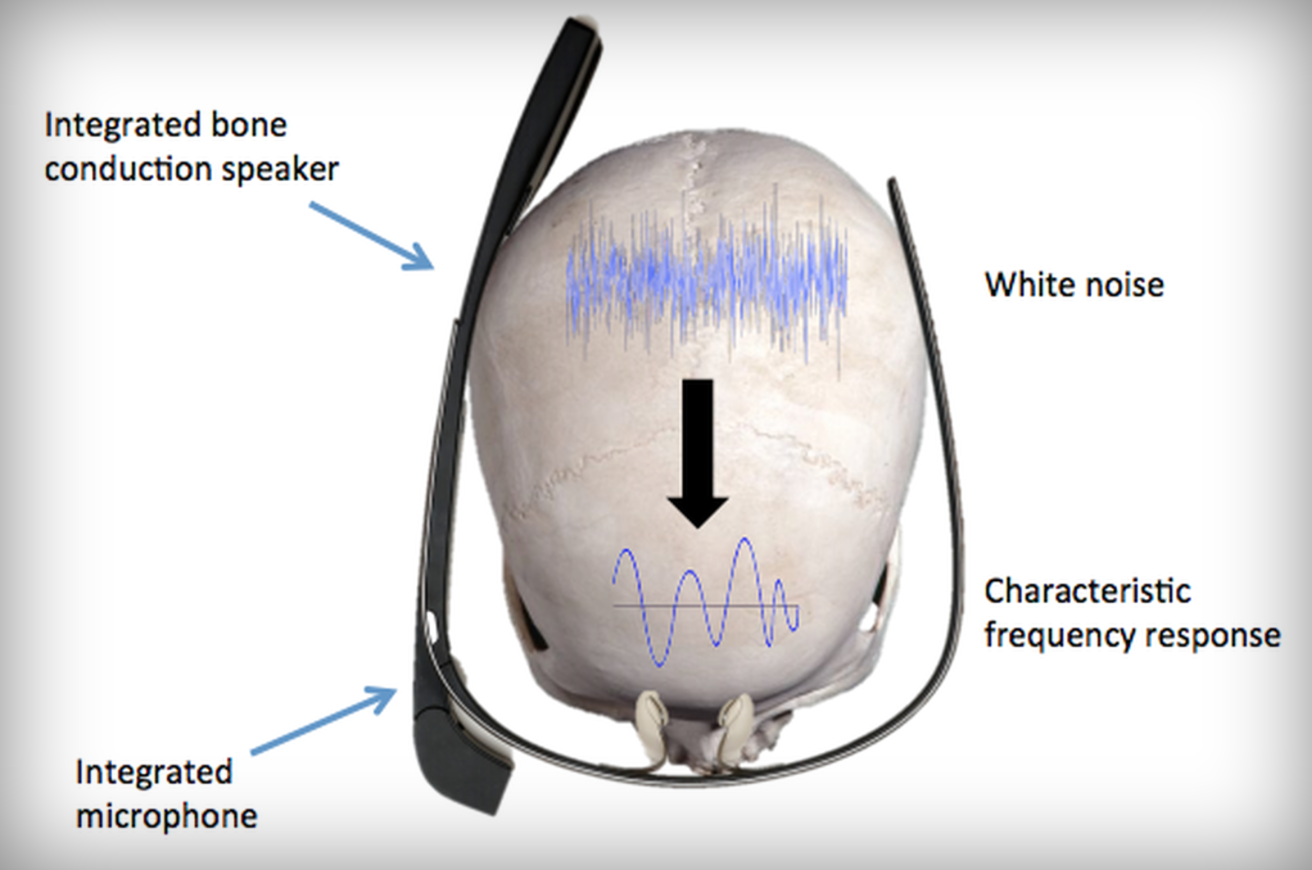
Researchers are using the vibration of your skull to identify you

Screen_Shot_2016-04-26_at_11.08.23_PM.png

Conventional passwords are marching to their death, and biometric authentication might be the future, especially with the possibility of widespread fingerprint scanning or facial-recognition technology. And now, researchers in Germany have a new way to give users access to their devices. Their technique, which they call “SkullConduct,” relies on the unique way … Read More → "Researchers are using the vibration of your skull to identify you"

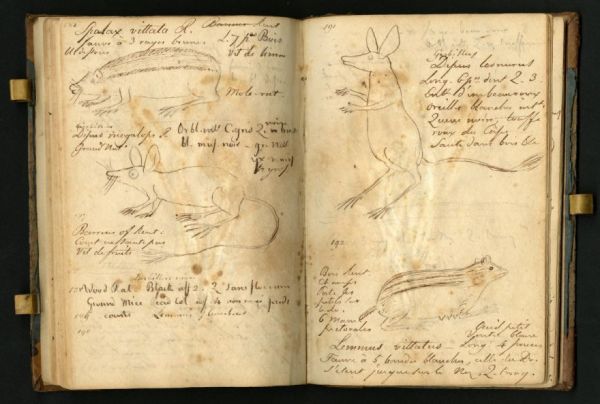
Audubon made up at least 28 fake species to prank a rival

1461493896-0.jpg

Rafinesque was an extremely enthusiastic namer of species: during his career as a naturalist, he named 2,700 plant genera and 6,700 species, approximately. He was self-taught, and the letter of introduction he handed to Audubon described him as “an odd fish.” When they met, Audubon noted, Rafinesque was wearing a “long loose coat…stained all over with the juice of plants,” a … Read More → "Audubon made up at least 28 fake species to prank a rival"

Edouard Martinet’s masterfully sculpted animals and insects made from bicycle, car, and motorcycle parts

martinet-1.jpg

French artist Edouard Martinet assembles faithful interpretations of birds, crustaceans, insects, and other creatures with countless objects from discarded bicycles, cars, and household objects. A bicycle pump forms the abdomen of a dragonfly, windshield wipers serve as the legs of a fly, or the metal logos of a bicycle manufacturer are layered to create the dense scales of a fish. All the more incredible considering Martinet never welds or solders his … Read More → "Edouard Martinet’s masterfully sculpted animals and insects made from bicycle, car, and motorcycle parts"

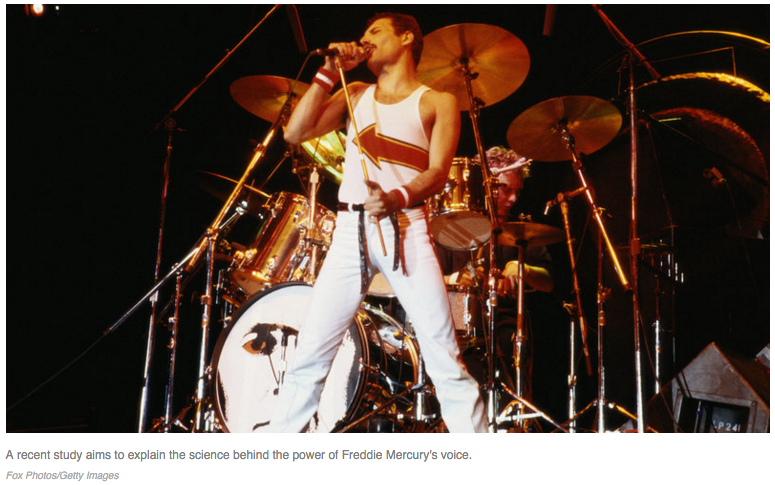
Why Freddie Mercury’s voice was so great, as explained by science

Screen_Shot_2016-04-25_at_5.40.10_PM.png

Freddie Mercury, the late frontman for the legendary band Queen, died almost 25 years ago. But he’s still regarded as one of the best rock singers ever.

What, exactly, made him so great? A research team in Europe wanted to answer that question, so it looked into the science behind his voice. Professor Christian Herbst was part of that team, which just … Read More → "Why Freddie Mercury’s voice was so great, as explained by science"

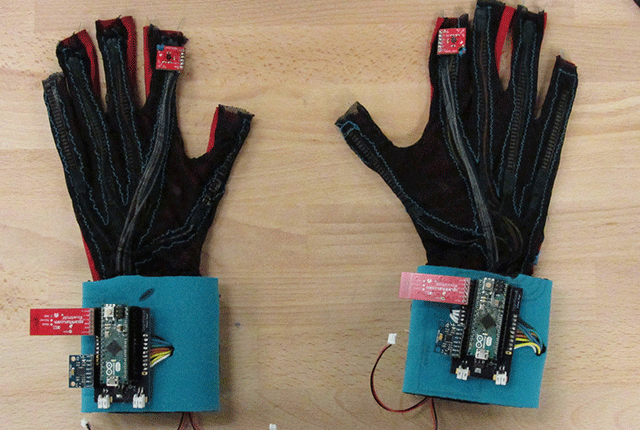
These gloves translate sign language into text or speech

sign-gloves-primary.gif

Two undergraduate students at the University of Washington have created a pair of smart gloves that can translate American Sign Language (ASL) automatically into text or speech. Designed to help bridge the communication gap between the Deaf and hearing communities, the SignAloud gloves use sophisticated sensors to recognize ASL gestures. They were recently awarded a $10,000 Lemelson-MIT Student Prize for their work.
via Read More → "These gloves translate sign language into text or speech"

featured blogs
Jan 29, 2026
Most of the materials you read and see about gyroscopic precession explain WHAT happens, not WHY it happens....