fresh bytes archive
Subscribe Now

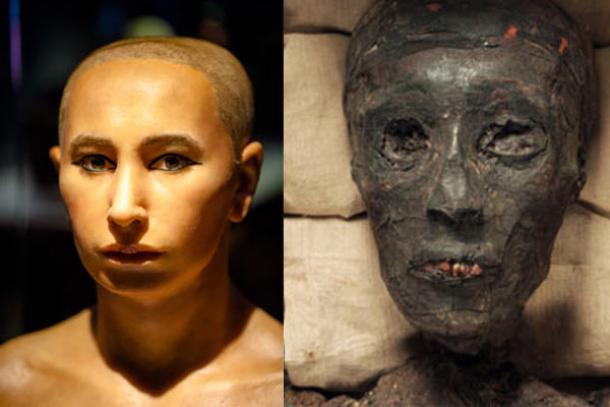
Turns out we may have been misinterpreting the first line of Beowulf for 200 years

Since it was first translated and published by Scandinavian linguist Grímur Jónsson Thorkelin in 1815, most new translations of the text have interpreted the very first word of the classic ancient text, “hwæt” (sounds like cat), as a sort of interjection or interruption — kind of like shouting “Hey!” at somebody to get their attention. As a result, it gets turned into “Listen!”, “Ho!”, or in Seamus Heaney’s most recent translation of the text, “So.”

However, according … Read More → "Turns out we may have been misinterpreting the first line of Beowulf for 200 years"
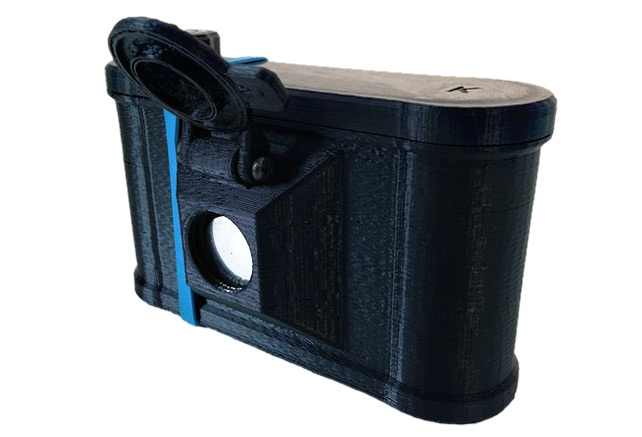
High tech meets old school: a 3D printed pinhole camera

The photography aficionados among you who still recall with teary-eyed nostalgia the days before digital domination might appreciate an agreeable return to the old school, albeit with a hi-tech twist: a 3D-printed pinhole camera…

Clint O'Connor's pinhole camera. Pic: Clint O'Connor

Inventor Clint O’Connor promises “magical photographs from a new, yet old perspective” from the 6x6cm format camera, which rather marvellously features a state-of-the-art rubber band locking system. 
Read More → "High tech meets old school: a 3D printed pinhole camera"

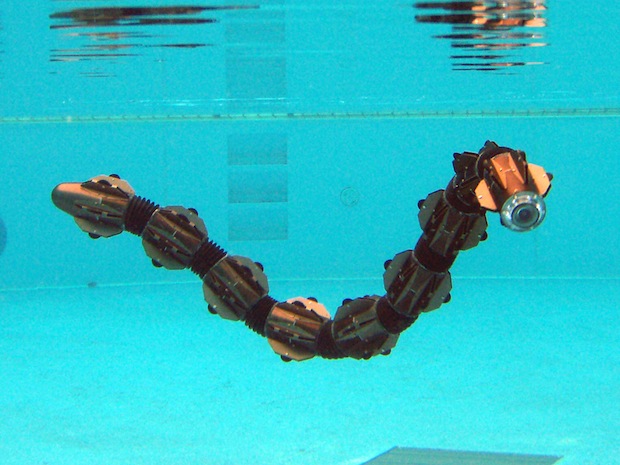
HiBot demos new amphibious snake robot

acm-photo2-full-1383622071255.jpg

Japanese company HiBot, specialized in robots for extreme environments, will unveil the latest version of its ACM-R5H snake robot at the International Robot Exhibition (iREX) this week in Tokyo.

HiBot says the new model is more modular and easier to customize that earlier versions. You can easily attach more segments to the snake’s body to make it longer, or remove segments if you need a shorter robot. … Read More → "HiBot demos new amphibious snake robot"

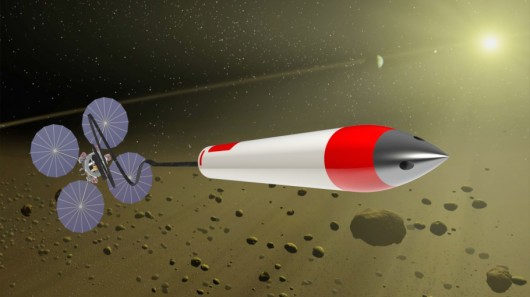
Students crash rockets to develop new asteroid sample collection technique

uw-impact.jpg

In what at first glance seems like a terrible sense of direction, in March students from the University of Washington fired rockets from kites and balloons at an altitude of 3,000 ft (914 m) straight into the ground at Black Rock, Nevada: a dry lake bed in the desert 100 mi (160 km) north of Reno. This may seem like the ultimate in larking about, but it’s actually a serious effort to develop new ways of collecting … Read More → "Students crash rockets to develop new asteroid sample collection technique"

featured blogs
Feb 24, 2026
How a perfectly good Bosch HVAC system was undermined by preventable mistakes, and a thermostat interface that defies logic....