

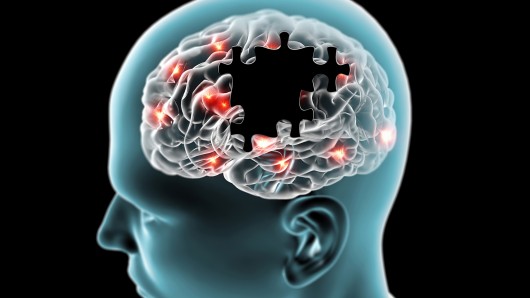
Amyloid-β (Aβ) peptide – composed of some 36 to 43 amino acids – has been the plaque associated with the development and progression of Alzheimer’s disease for some time now. As such, some research into removing this toxic substance from human brains has been conducted, but almost invariably requires invasive pharmaceutical intervention which is far from completely effective.
The University of Queensland research, on the other hand, purports to offer a potential nonpharmacological approach for removing Aβ plaque. In support of this, the researchers claim to have restored memory function in the brain of a mouse that had Aβ deposited in its brain and displayed Alzheimer’s symptoms.
via Gizmag






