

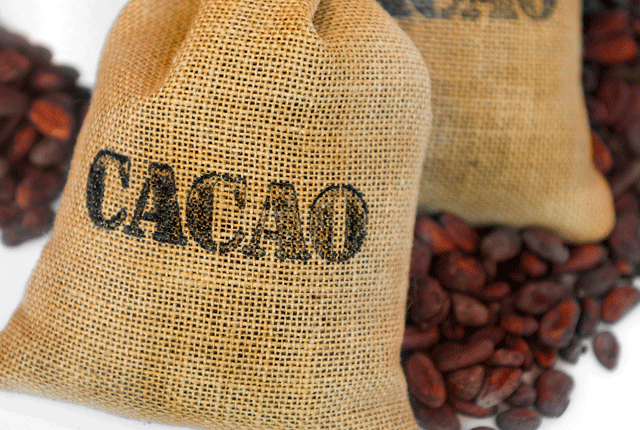
Cacao, the primary ingredient in chocolate bars, is a slow-growing plant: a cacao tree only produces enough pods to make about a pound of chocolate a year. In part because output is so low, and the process of growing the trees so slow, scientists knew that if the blight wasn’t stopped soon, there would be widespread ramifications. Not only would the price of chocolate shoot up, but the livelihoods of the 6.5 million farmers who tend the cacao trees would be at risk. Though scientists were working to breed fungus-resistant trees, the process was slow-going. They had to wait for the trees to mature fully before they could test them for resistance—a process which took years.
That’s where the Roche 454 GS FLX + DNA Gene Sequencer comes in. By 2008, gene sequencing was becoming a more and more accessible scientific tool, but back then, it took time—a lot of it—to sequence an organism’s genome. The Human Genome Project, for example, took years; the Roche could complete the same process in a matter of days. Unfortunately, the Roche machines were prohibitively expensive. So the Mars candy company stepped in, and agreed to fund a project sequencing the entire cacao genome. With access to the full thing, instead of waiting years for trees to mature, scientists could identify fungus-resistant genes in advance and begin growing healthy trees right away.
via Mental Floss






